動画を読み込み中...
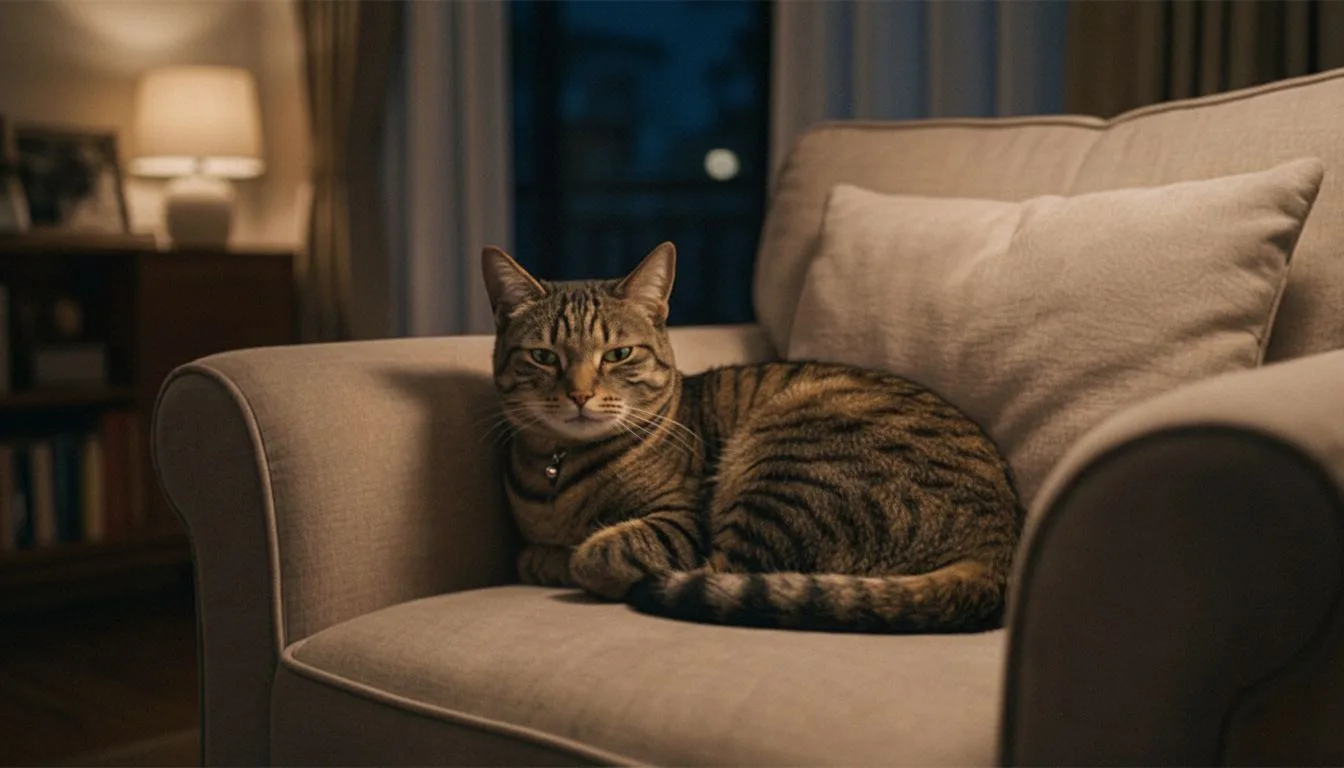
Imagine a small, rhythmic motor humming deep within a tabby’s chest. For centuri
Imagine a small, rhythmic motor humming deep within a tabby’s chest. For centuries, we thought this was just the sound of a "happy cat," but the reality is much more like a feline superpower.The Midnight MechanicIn the quiet of the night, a cat isn't just sleeping; they are undergoing a biological tune-up. Because cats spend so much time conserving energy through naps, their bones and tissues can become brittle.The purr acts as a built-in physical therapy session. By vibrating their entire body at a frequency between $25\text{ Hz}$ and $150\text{ Hz}$, they are effectively "shaking" their bones into staying dense and their muscles into staying supple. It’s the ultimate evolutionary hack: exercising while standing perfectly still.The Hidden FrequencyBut there is a "darker," more manipulative side to the story. Evolution noticed that humans are quite good at ignoring standard meows, so cats developed the Solicitation Purr.This specific vibration contains a hidden, high-pitched "cry" that peaks at the exact same frequency as a human baby’s wail. When a cat sits on your chest at 6:00 AM and starts this specific engine, your brain interprets it as an urgent distress signal. You don't get out of bed because you want to; you get out of bed because your biology tells you an infant needs help.The Survival ShieldFinally, the purr is a cat’s bravest mask. In the wild, showing pain is a death sentence. When a cat is injured or terrified, they purr to self-soothe. It releases endorphins that lower their blood pressure and steady their heart rate.So, while that vibration against your hand is often a sign of pure contentment, it is also a survival tool—a rhythmic lullaby they sing to themselves to keep their bodies strong and their humans successfully "trained."
2026年3月27日